Misidentifications
It is certainly well known that the vast majority of UAP reports can be explained by a misidentification of some known natural or man-made phenomena and that well documented sightings defying a conventional explanation are rare (5% or less).
Read more
Click on categories below for further information, including a general explanation, telltale signs, and additional resource information.
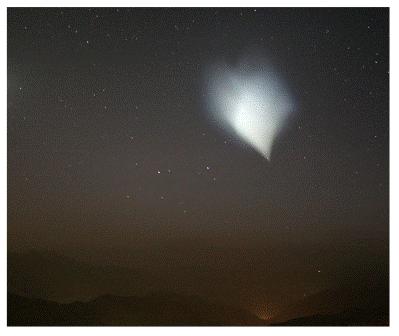
Common Nocturnal Misidentifications
| Stars and planets | Sun and Moon | Meteors |
| Auroras | Comets | Lightning |
| Sprites, Jets | Laser lights | Aircrafts |
| Satellites | Satellites re-entries | Chinese lanterns |
| Rocket Launches | Flares | Plasma phenomena |
Flowchart of nocturnal common misidentifications (Ref. Robert Moore, 2007) Flowchart depicting common nocturnal misidentifications, based on described attributes. Dark blocks depict most likely, lighter boxes indicate possible but less likely causes while rounded oblongs notably uncommon options. urnal misidentificatblocks depict most likenotably utions.
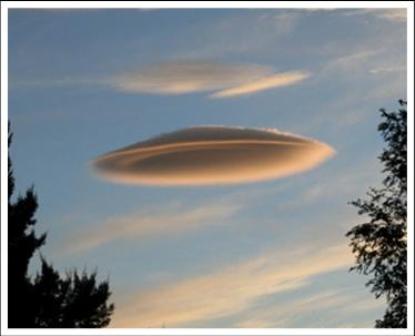
Common Daytime Misidentifications
| Clouds | Mirages | Birds |
| Gases | Clouds of insects | Wind-borne objects |
| Weather balloons | Vortex rings | Various devices |
Flowchart of daytime common misidentifications (Ref. Robert Moore, 2007) Flowchart depicting common daylight IFO options, based on described attributes. Note the lower quantity of misidentifications and observational complications in comparison with the nocturnal flowchart.
Credits: The compilation of this information would have not been possible without the work of Ms Jenny Randles and Mr Robert Moore. I’m truly indebted to them, as the quasi totality of the narrative information below originates from their 2007 manuscript (UFO study: A Handbook for Enthusiasts, http://www.nufonews.co.uk/UFO_Study_P1_V151.pdf). They have kindly made this manuscript freely available on the web, in order to help with the proliferation of “best practice” within British UFO investigation, and in relation to any non-commercial study of UFOs.